A Beginner’s Guide to Holistic Healing: Techniques and Benefits


Holistic healing is an approach to wellness that considers the whole person—mind, body, and spirit. Unlike traditional medicine, which often focuses on treating symptoms, holistic healing seeks to address the root causes of illness and promote overall well-being. This guide will introduce you to various techniques and the benefits of incorporating holistic practices into your life.

Understanding Holistic Healing
Holistic healing is not just about treating physical ailments. It’s a philosophy that emphasizes the connection between the body, mind, and spirit. Practitioners believe that by achieving balance in these areas, individuals can enhance their health and prevent disease.
Holistic healing can include a variety of practices, ranging from ancient traditions like Ayurveda and acupuncture to more modern techniques such as mindfulness meditation and yoga. These practices aim to create harmony within the individual, leading to improved health and happiness.
Popular Holistic Techniques
There are numerous techniques available to those interested in holistic healing. Here are a few popular ones:
- Acupuncture: This ancient Chinese practice involves inserting thin needles into specific points on the body to promote energy flow and alleviate pain.
- Aromatherapy: The use of essential oils can enhance physical and emotional health, promoting relaxation and stress relief.
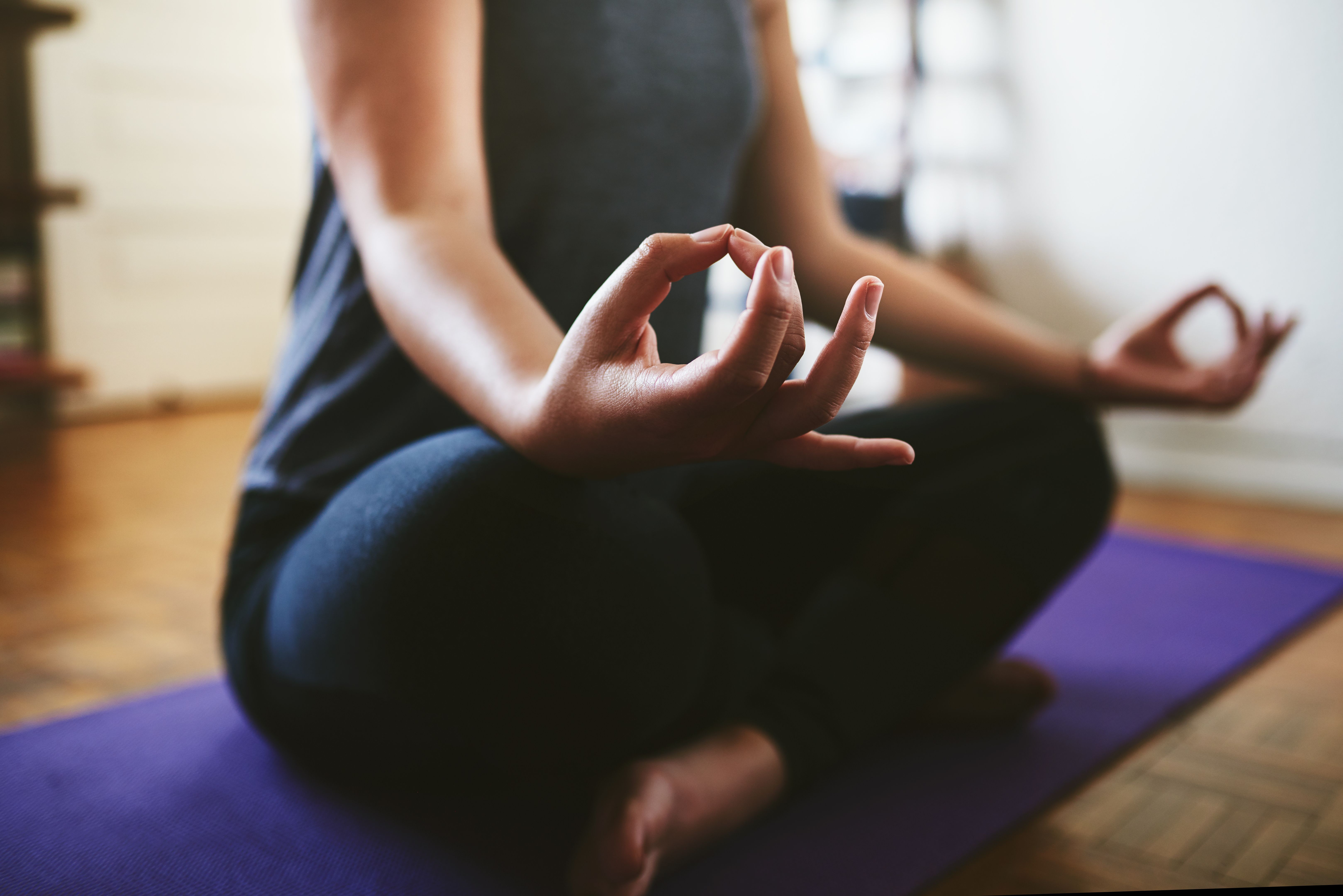
- Yoga: Combining physical postures, breathing exercises, and meditation, yoga supports physical and mental well-being.
Benefits of Holistic Healing
Adopting a holistic approach offers numerous benefits. First, it encourages individuals to take an active role in their health, fostering self-awareness and empowerment. This can lead to healthier lifestyle choices and improved mental health.
Additionally, holistic healing often emphasizes preventive care, helping individuals avoid illness before it starts. By addressing the root causes of health issues, individuals may experience long-term relief from chronic conditions and a better quality of life.
Getting Started with Holistic Healing
If you’re new to holistic healing, it’s essential to start slowly and choose practices that resonate with you. Consider exploring different techniques and find what feels right for your body and mind. Consulting with a professional holistic practitioner can also provide personalized guidance and support.

Incorporating holistic practices into your daily routine doesn’t have to be overwhelming. Simple steps like practicing mindfulness, engaging in regular physical activity, and maintaining a balanced diet can make a significant impact.
Conclusion
Holistic healing offers a comprehensive approach to health and wellness, focusing on the interconnectedness of the body, mind, and spirit. By exploring various techniques and embracing this philosophy, you can achieve a more balanced and fulfilling life.