
A Beginner’s Guide to Aromatherapy: Essential Oils for Wellbeing


Understanding Aromatherapy
Aromatherapy is an ancient practice that involves using natural plant extracts, known as essential oils, to promote physical and emotional well-being. This holistic healing treatment has been cherished for centuries, dating back to ancient Egyptian and Chinese cultures. In modern times, aromatherapy has gained popularity due to its ability to enhance mood, reduce stress, and improve overall health.
The essence of aromatherapy lies in its ability to stimulate the olfactory system—the part of the brain connected to smell—which can influence emotional responses and physical health. With a wide range of essential oils available, each offering unique benefits, aromatherapy provides a personalized approach to health and well-being.
The Benefits of Essential Oils
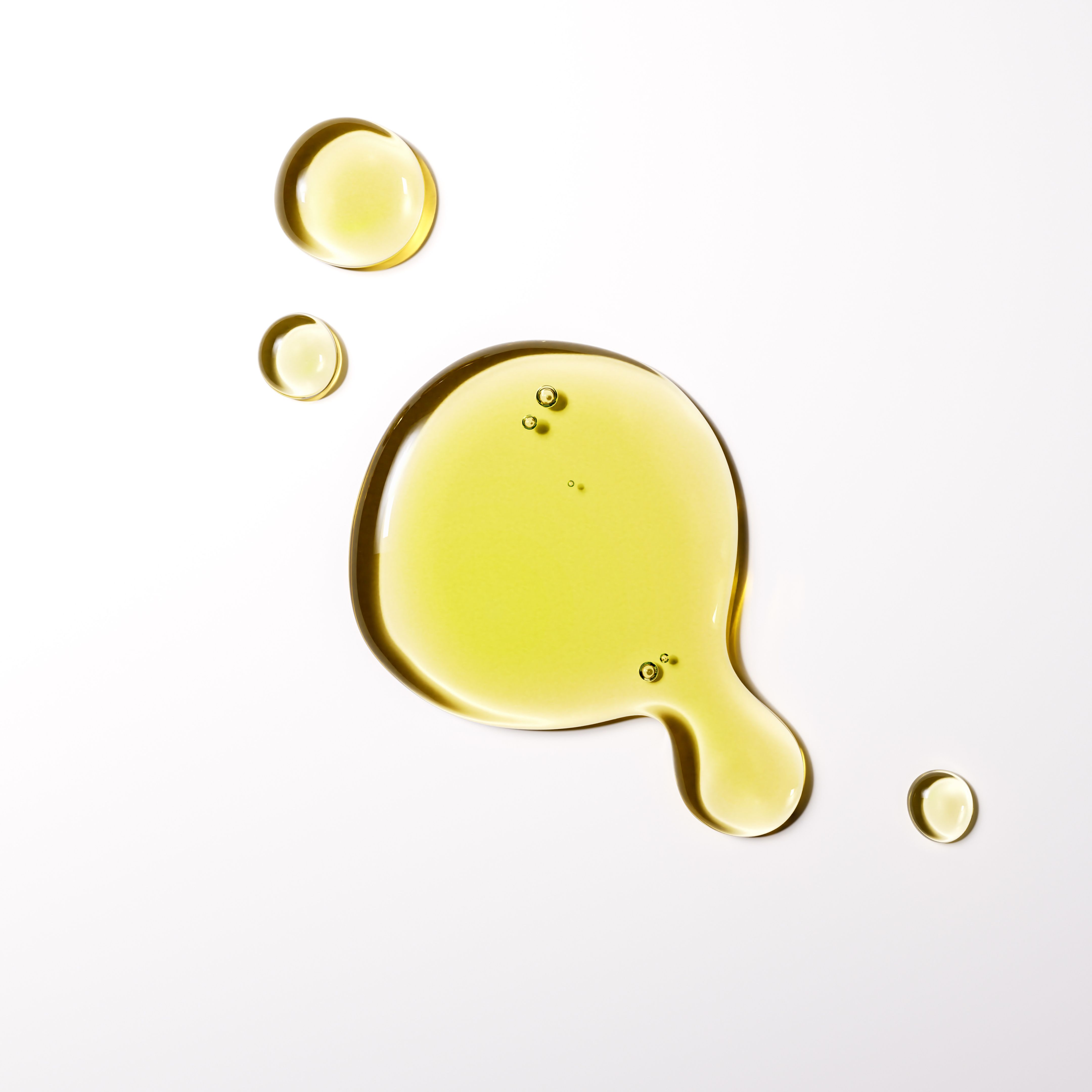
Essential oils are concentrated plant extracts that capture the plant's scent and flavor, or "essence." They are obtained through distillation or mechanical methods such as cold pressing. When used correctly, essential oils can offer numerous health benefits.
Physical Benefits
Many essential oils have antimicrobial properties, making them effective in promoting physical health. For example, tea tree oil is known for its antiseptic qualities, while eucalyptus oil can help relieve respiratory issues. Additionally, some oils like peppermint can aid in digestion and provide relief from headaches.
Emotional and Mental Well-being
Aromatherapy is also renowned for its impact on mental health. Lavender oil is widely recognized for its calming effects, helping to reduce anxiety and improve sleep quality. On the other hand, citrus oils like orange and lemon can elevate mood and boost energy levels.
By incorporating essential oils into daily routines, individuals can enjoy a more balanced emotional state and enhanced mental clarity. These benefits make aromatherapy a valuable tool for combating stress and enhancing overall quality of life.
Getting Started with Aromatherapy
If you're new to aromatherapy, starting with a small collection of versatile essential oils is a good idea. Here are some popular options:
- Lavender: Calming and relaxing
- Peppermint: Energizing and invigorating
- Lemon: Uplifting and refreshing
- Eucalyptus: Clears respiratory pathways
- Chamomile: Soothing and calming

Methods of Use
There are several ways to use essential oils in aromatherapy:
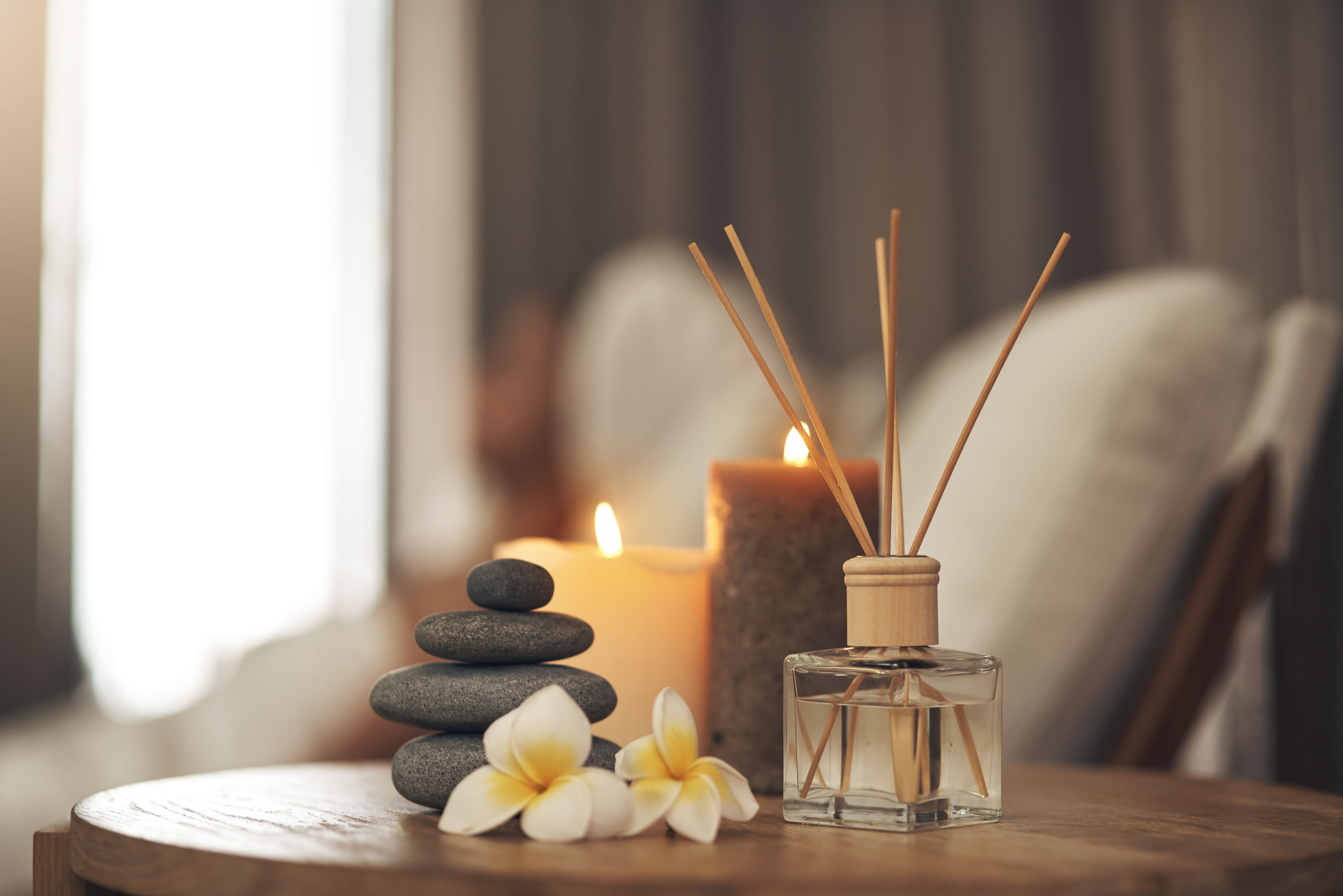
- Inhalation: Add a few drops of essential oil to a diffuser or inhale directly from the bottle for quick relief.
- Topical Application: Dilute essential oils with a carrier oil before applying them to the skin. This method is commonly used in massages.
- Baths: Add a few drops of essential oil to bathwater for a relaxing experience.
Remember to always perform a patch test when using oils topically to avoid skin irritation.
Conclusion
Aromatherapy offers a natural pathway to enhance your physical and emotional well-being. By integrating essential oils into your routine, you can experience their profound benefits. Whether you're seeking relaxation, energy, or mental clarity, there's an essential oil that can support your journey towards wellness.
As you explore the world of aromatherapy, remember to prioritize quality by choosing pure and certified essential oils. With time and practice, aromatherapy can become a valuable component of your self-care regimen.